The Best Practices for Navigating Workplace Diversity and Inclusion Initiatives
Mar 31, 2026



Children raised in homes where different cultures blend experience a vibrant mix of customs, languages, and viewpoints each day. Brothers and sisters in these families often discover how to appreciate one another’s backgrounds while learning to communicate across cultural lines. Parents who weave regular traditions and rituals into daily life help their kids recognize the beauty in their differences, strengthening family connections along the way. This article shares creative activities and simple routines that spark interest, encourage open conversations, and create lasting memories for siblings. By sharing these experiences, families can grow closer and build a sense of unity that celebrates everyone’s heritage.
Start by creating moments when siblings talk openly about their backgrounds. Set aside a weekly “culture chat” night where each child presents a tradition, song, or recipe that matters to them. Encourage questions and applause to reinforce respectful listening. These conversations spark curiosity and prevent misunderstandings before small tensions grow.
When siblings learn to speak and listen with genuine interest, they build a foundation for empathy. This space of respectful dialogue can turn occasional arguments into moments of shared laughter and discovery.
Rituals give a busy household stability, providing children with something familiar to look forward to. Design activities that incorporate elements from different cultures—perhaps a Friday night film screening featuring a movie from one parent’s homeland, followed by homemade popcorn flavored with spices from another region. These gatherings become weekly highlights and unite siblings under a banner of togetherness.
Invite each child to take a turn planning a small ritual: choosing the film, preparing snacks, or selecting background music. When kids feel ownership, they contribute more energy and pride to the tradition. This shared responsibility strengthens cooperation and creates memories that siblings will cherish for years.
Hands-on projects help siblings get closer as they work together to solve challenges. Encourage them to set a joint goal, such as mastering a new dance style, building a model of a historic landmark, or growing herbs in a window box. Working toward the same endpoint nurtures teamwork and mutual respect.
If siblings have different skills—one good at painting, the other at writing—let them combine talents on a creative journal or a family blog. They’ll learn to value each other’s strengths and step in when the other needs help. Parents can frame each milestone as part of a group achievement, reinforcing the idea that success tastes better when shared.
Even in loving homes, disagreements can occur. Teach brothers and sisters how to confront conflicts directly to prevent small annoyances from escalating. Create a simple four-step routine they can follow whenever tension arises.
Role-play different scenarios—borrowing items without asking, feeling left out of a game, or clashing over chores—to practice this routine in a calm setting. Once kids see how smoother conversations lead to quicker resolutions, they will adopt respectful dialogue as their default.
Motivate siblings by signing them up for community events that connect with your family’s heritage—local parades, cultural fairs, or volunteer projects. When kids work together packing meals for a shelter or performing a folk dance at a neighborhood festival, they build a sense of solidarity that carries into daily life.
Within the home, set up mini challenges that require cooperation: timed puzzles, scavenger hunts across different rooms, or cooperative board games designed for teams. Reward cooperation with small prizes like extra screen time or a special treat. Recognizing collective effort rather than individual victory emphasizes the importance of partnership.
While team activities matter, respecting each sibling’s personal passions keeps respect high. Provide spaces—literal or figurative—where each child can display artwork, practice an instrument, or prepare a short presentation about a favorite topic. Family members give feedback and encouragement, so each voice feels heard.
When siblings understand that their unique ideas and talents matter, they learn to treat each other’s individuality as a treasure rather than a threat. Parents can strengthen this respect by praising specific qualities—“I admire how you both express yourselves so differently”—which models positive recognition.
Mixing heritage celebrations with personal interests creates a family culture that values both roots and wings.
Each household creates a shared story through curiosity, communication, and rituals. Use these ideas to build authentic traditions that strengthen sibling bonds and prepare them for the future.
Opening your home to a child through adoption or foster care brings a sense of excitement, anticipation, and plenty of questions. You may find yourself thinking about...
Apr 18, 2026
Families often experience moments of change, such as when an older sibling leaves for college, a parent starts a new job, or a new member joins the household. Children...
Apr 22, 2026

Life often pulls us in many directions, making it challenging to find time for ourselves. Simple, purposeful rituals sprinkled throughout the day can add a sense of...
Mar 11, 2026

Young people connect with friends and classmates throughout the day using social apps, school-based networks, and popular messaging platforms. They post photos to...
Mar 20, 2026
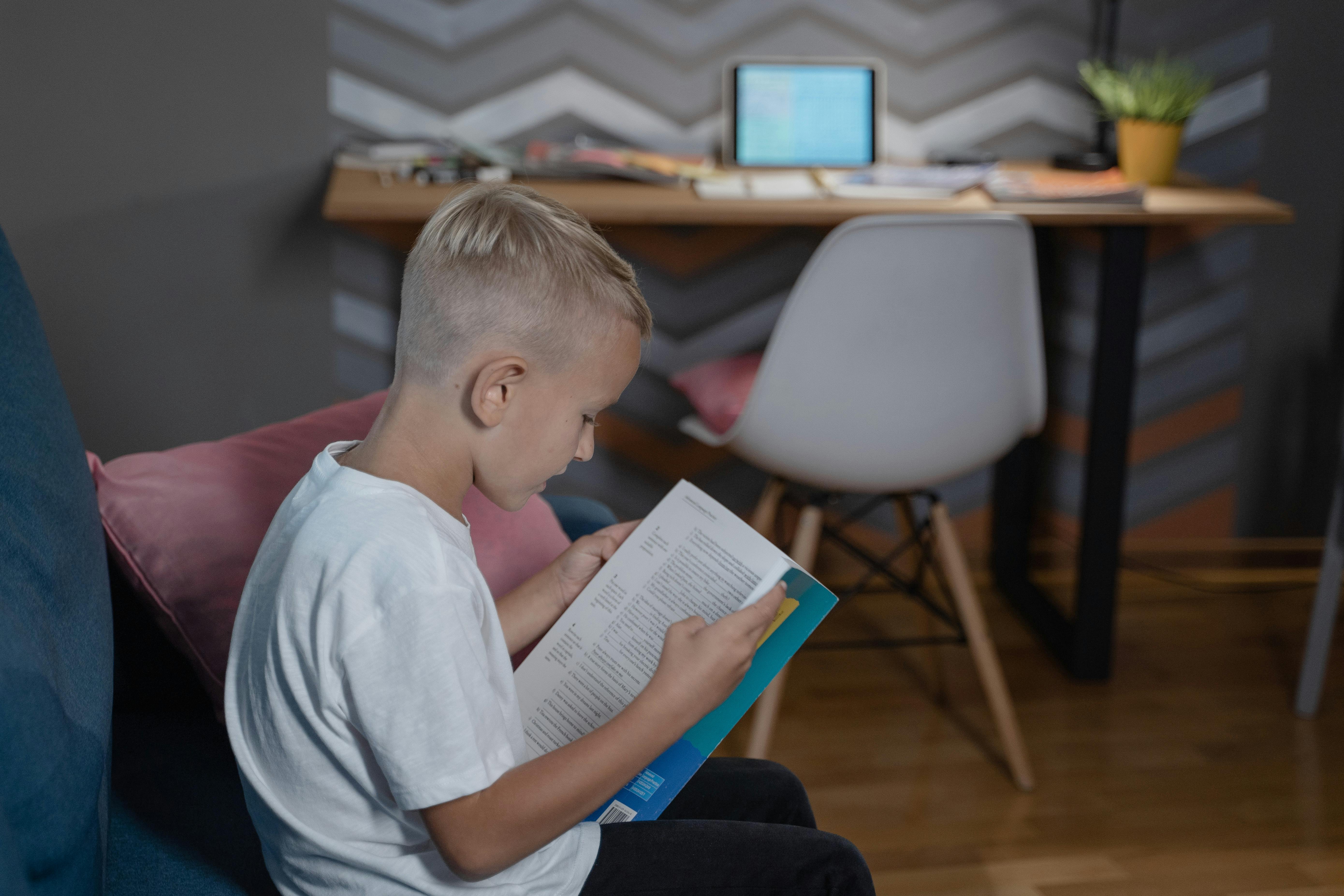
Every day with a child who possesses remarkable talents brings a unique blend of excitement, wonder, and moments that test your patience. By observing how they approach...
Jun 02, 2026

Building and nurturing friendships from a distance requires intentional action, yet the benefits make every effort worthwhile. This guide highlights eight down-to-earth...
Mar 04, 2026
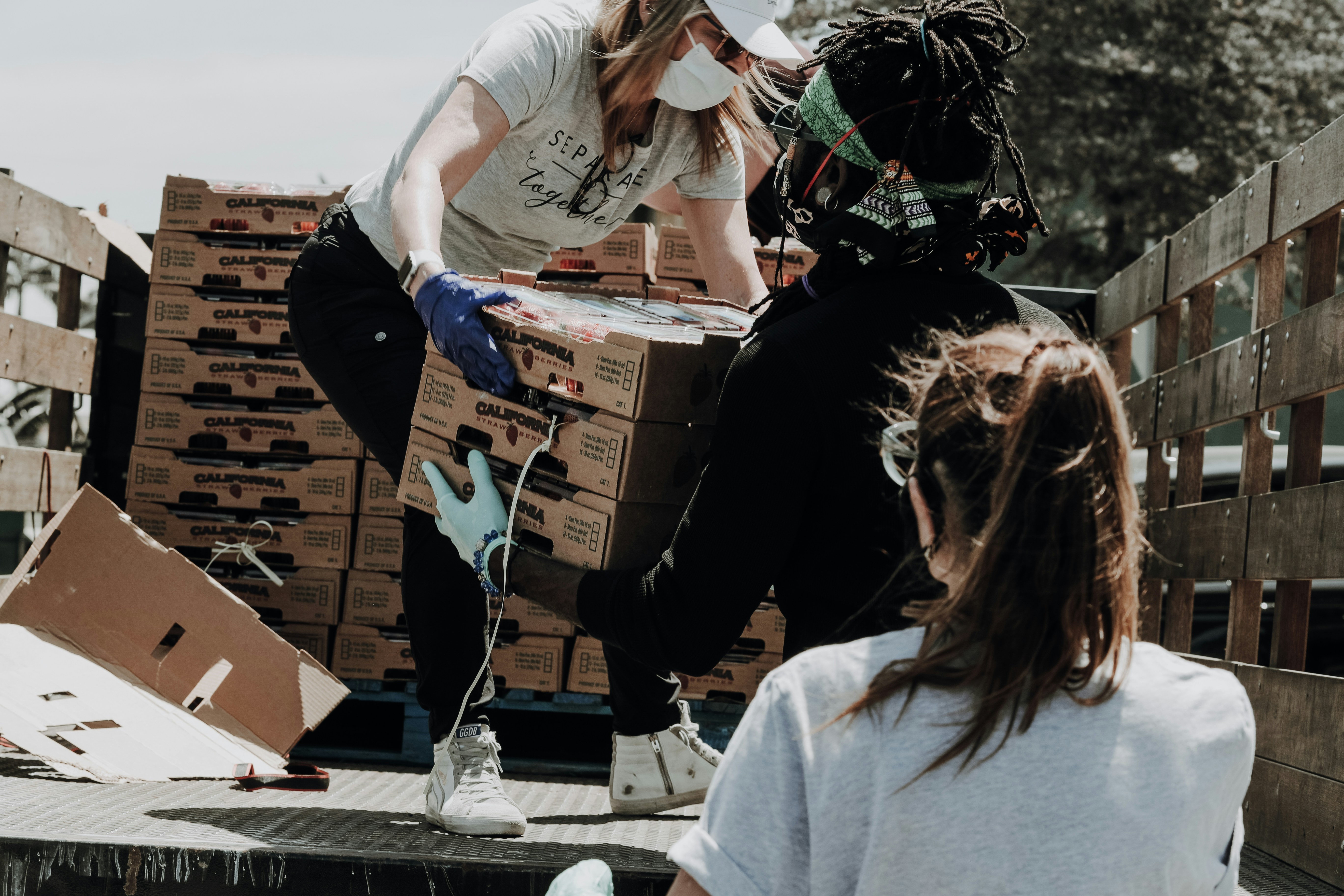
Getting involved in volunteer work close to home offers much more than the opportunity to assist others; it builds genuine friendships and strengthens your connection to...
Jun 28, 2026

Finding real satisfaction at work goes beyond aiming for higher salaries or new job titles. People often discover greater fulfillment by taking time to reflect on their...
May 02, 2026

Making the move from a non-technical background into a technology role often feels daunting at first, yet you can approach this journey with confidence by setting...
Apr 29, 2026

Meaningful conversations form the foundation of strong connections, especially during the teenage years. Adolescents navigate changing identities, evolving friendships,...
Apr 15, 2026

Finding a new hobby brings a sense of adventure to everyday routines and adds a refreshing spark to your life. Exploring activities that capture your curiosity and push...
May 12, 2026

Carefully chosen details throughout your home can encourage focus and calm. Thoughtful adjustments, such as decluttering surfaces or arranging furniture for better flow,...
Apr 03, 2026

Planting and tending to a garden brings a sense of calm by encouraging you to pay close attention to the natural world. The earthy aroma of freshly turned soil, the...
Apr 11, 2026
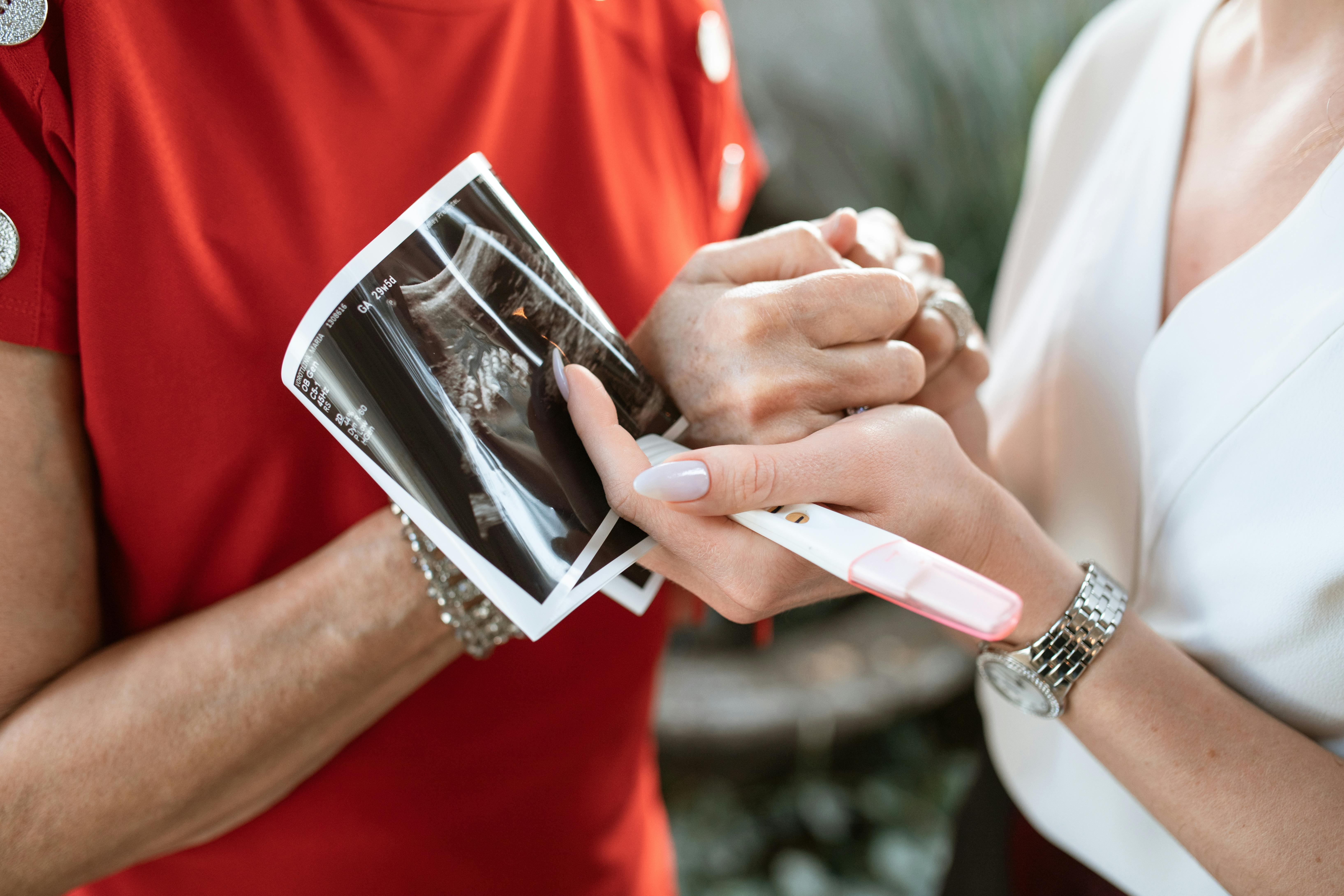
Starting a family often brings both joy and curiosity about what lies ahead. This guide provides clear information to help you make thoughtful decisions about fertility...
Mar 17, 2026