
The Best Hobbies for Personal Growth and Everyday Fulfillment
May 12, 2026



Getting involved in volunteer work close to home offers much more than the opportunity to assist others; it builds genuine friendships and strengthens your connection to the community. By taking part in a local initiative, you meet people who care about making a positive impact, and together you build memories through teamwork and shared accomplishments. Every project brings moments of joy, mutual support, and the rewarding feeling that comes from joining forces to achieve something meaningful. Signing up for a volunteer activity invites you to explore new experiences, meet like-minded neighbors, and discover just how much your involvement can enrich everyday life.
As you dive into roles at schools, community gardens, or animal shelters, you’ll discover how simple acts—like planting a row of flowers or reading stories to children—spark connections that last. You’ll swap life stories with a fellow volunteer over a coffee break and build trust as you tackle challenges together. By the end of your first few shifts, you’ll already feel part of a new circle, and you’ll see that the time you give goes both ways: you contribute energy, and you gain camaraderie in return.
Helping out close to home provides quick wins and consistent rewards. You see tangible results within walking distance—whether you’re cleaning up a park, tutoring in a classroom, or stocking shelves at a food bank. That immediate feedback lifts your mood and encourages you to keep showing up. When you notice plants thriving or students smiling, the sense of achievement becomes contagious.
Beyond those instant perks, volunteering improves skills you might not develop at work or home. You sharpen communication by guiding newcomers or organizing events. You gain leadership experience by coordinating small teams. And you learn problem-solving as you adapt to unforeseen circumstances, like sudden rain showers during outdoor projects. These abilities strengthen relationships with fellow volunteers and prepare you for social and professional situations outside the community effort.
Discovering the right match begins with exploring various local sources. Contact organizations directly, browse online platforms, or check community bulletin boards at libraries and cafes. Each resource features different projects, from tutoring programs to neighborhood cleanups. You want to match your interests with an organization that shares your values.
After identifying a few appealing options, reach out to the organizers to set up an introductory meeting. Ask about time commitments, training sessions, and the group’s social calendar. A quick conversation reveals the atmosphere and helps you decide where you’ll feel most comfortable.
Team efforts naturally create chances to bond. Working with others on tasks like repainting a playground or sorting donations encourages casual conversation. Offer simple help—such as holding a ladder or fetching supplies—and let dialogue happen naturally. Sharing a focus lowers barriers and makes small talk feel easy.
Try rotating roles within the group so you work with different people each time. One week, you might lead a small sub-team, and another week, you could partner with a newcomer. These changes broaden your circle and allow you to learn about diverse backgrounds and skills. Before long, you’ll recognize familiar faces, recall stories and milestones from previous projects, and deepen your bonds, creating a supportive network.
Long-lasting impact requires structure and regular check-ins. Begin by setting clear goals with your team—such as what you aim to accomplish this month, quarter, and year. Establish simple benchmarks like the number of park benches painted or hours tutors spend with students. When everyone understands the objectives, they stay focused and motivated to keep coming back.
Following these steps helps you build a welcoming system that keeps volunteers involved and proud of their ongoing efforts. Regular involvement encourages people to return, strengthening relationships over months and years.
Volunteering might face some difficulties. You could encounter scheduling conflicts, limited resources, or occasional disagreements on approaches. In those cases, open communication remains your most effective tool. If a task is unclear or the schedule changes, ask questions immediately. A brief talk can clear up misunderstandings and prevent frustration from growing.
If team morale drops, organize a casual get-together—coffee, a picnic, or a short trip. These relaxed settings allow volunteers to connect outside the usual duties. Encourage everyone to share feedback on what works and what could improve. Addressing issues together rebuilds trust and reminds everyone why they started volunteering in the first place.
Contact a local organization or join an event to make a real difference. You will build friendships, develop skills, and help improve your community.

Returning to your work routine after time away often brings a mix of anticipation and uncertainty. You might look forward to starting fresh projects, while also...
Feb 28, 2026

Climbing to a leading role without holding a standard business degree takes resourcefulness and confidence. Drawing from your background, highlighting personal...
Apr 25, 2026

Many people find changing careers both exciting and challenging, yet your past experience gives you a strong foundation. This guide shows you how to use your existing...
Mar 27, 2026

Seeing kids gather their belongings and prepare to leave home often brings both pride and a sense of emptiness. You have supported their journey every step of the way,...
May 23, 2026

Nurturing a child with remarkable talents through periods of change calls for understanding and adaptability. Gifted children frequently face significant transitions,...
Mar 13, 2026

Balancing career growth with retirement planning often feels like handling two important priorities at once. As you dedicate yourself to learning new skills, growing...
Jun 06, 2026
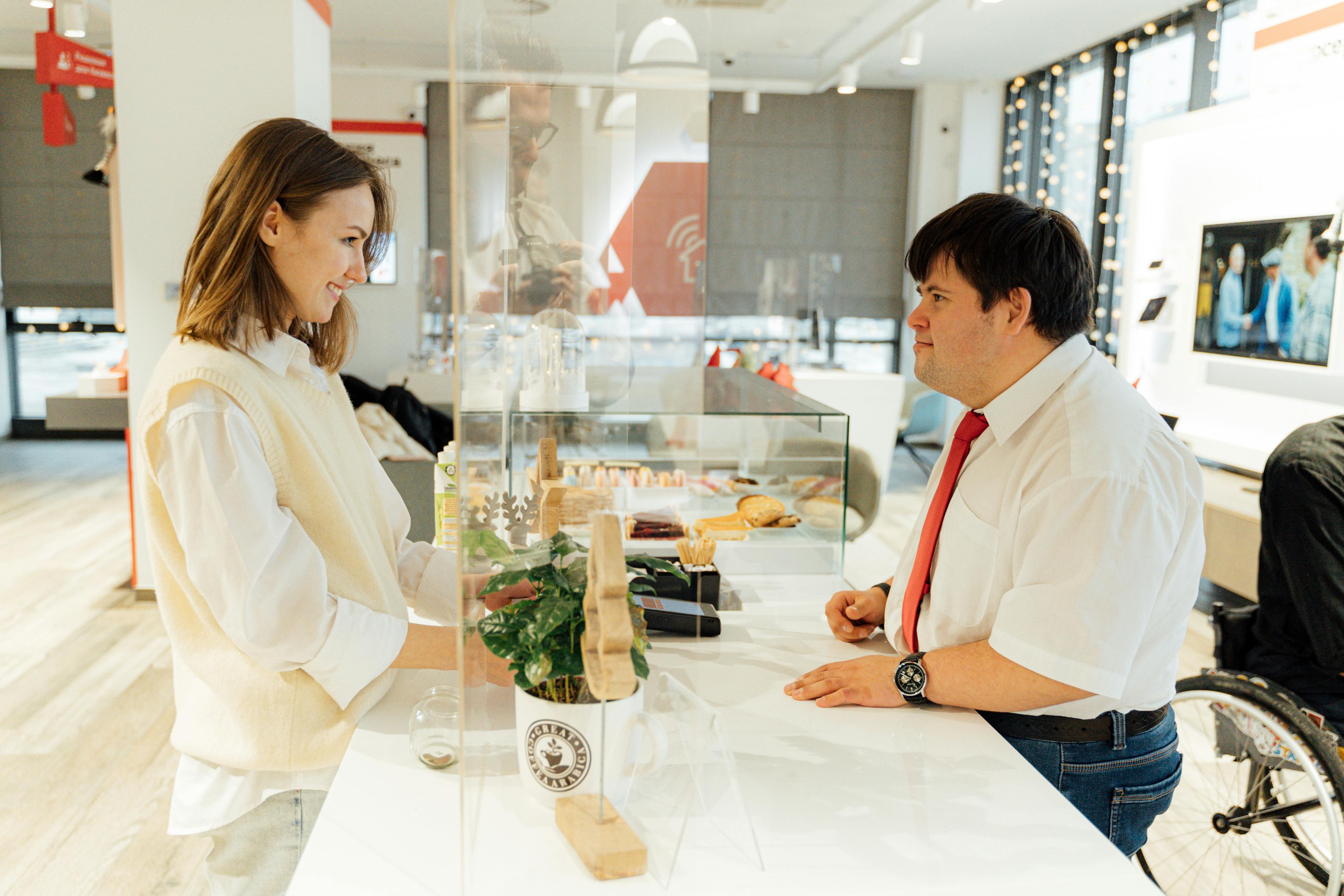
Creating a respectful and welcoming workplace starts by understanding what diversity and inclusion truly mean. Diversity describes the variety of backgrounds,...
Mar 31, 2026

Years of career experience have equipped you with valuable skills and knowledge that can become the foundation for a successful freelance journey. Taking this step...
Jun 10, 2026

Meaningful conversations form the foundation of strong connections, especially during the teenage years. Adolescents navigate changing identities, evolving friendships,...
Apr 15, 2026

Leaving a structured corporate setting to launch your own business offers a unique mix of excitement and uncertainty. Years of professional experience, a strong network,...
Mar 24, 2026

Freshening up your living space can bring a whole new atmosphere without the need for costly renovations or professional help. Start by rearranging furniture or...
Jun 24, 2026

Seasoned professionals seeking to refine their leadership abilities benefit greatly from executive development programs that focus on practical skill-building, strong...
Jun 15, 2026

Finding real satisfaction at work goes beyond aiming for higher salaries or new job titles. People often discover greater fulfillment by taking time to reflect on their...
May 02, 2026

Curiosity lays the foundation for trust, especially when you show genuine interest in what captures a teenager’s attention online. Taking a few moments to sit with them...
May 19, 2026