6 Simple Steps to Create a Sustainable Living Space Without Major Renovations
Jun 24, 2026



Creating a workspace that encourages both creativity and concentration starts with recognizing the conditions that help you excel. Think about the way you work at your best: maybe you concentrate on writing for hours, fill a whiteboard with ideas, or gather information across several tabs. Identifying the tasks that fill most of your day gives you a sense of how your office should function. You can then decide which spaces call for silence, which corners inspire fresh thinking, and where storage solutions need to be close at hand. As you clarify your needs, your workspace becomes a place that truly supports your productivity and well-being.
Imagining your most energizing office also means acknowledging distractions that slow your momentum. A sudden phone alert, a messy desk surface or poor lighting can derail flow. Keep a short list of interruptions you face today. Then commit to addressing one or two of them each week. That simple habit of spotting and fixing distractions builds confidence—and momentum—to refine your space over time, not all at once.
Every effective office begins with a crystal-clear sense of what you need to accomplish. Choose three core tasks you tackle daily—like video calls, drafting reports, or mind‐mapping new projects—and assign each one a dedicated zone. Group your supplies so you avoid hunting through drawers when inspiration strikes.
Next, set measurable goals for each area. For example, aim to complete two brainstorming sessions in your idea corner each week, or keep your desk clear of non‐essential items by Friday afternoons. Tracking these small targets encourages regular upkeep and helps you treat your office as a living system, not a static room.
Your spatial plan should let you shift gears smoothly. Arrange zones so you can move from task to task without obstacles. Keep pathways clear and make sure each area has enough elbow room for comfortable seating and stretching.
Visual separation helps your mind switch roles. When you slide into your brainstorming space, you mentally enter a different headspace than when you return to your desk for focused work.
Choose pieces that marry comfort and practicality. A height-adjustable desk encourages movement—switching between standing and sitting keeps both your body and mind engaged. If you shop at *IKEA*, consider the BEKANT model for its sturdy build and customizable options. For a touch of warmth, pick a wood‐grain top in walnut or oak tones.
Complement your desk with an ergonomic chair that supports your spine through long sessions. Brands like *Herman Miller* offer mesh backs that increase airflow and reduce heat buildup. Finish the look with a small shelf unit or storage credenza from *West Elm* to showcase books, inspiring design objects, or your favorite reference materials. Displaying personal mementos here reminds you why your work matters.
Light shapes how you feel and perform. Mix layered illumination: an overhead fixture for even brightness, a desk lamp for focused tasks, and a softer corner lamp for relaxed reading. Choose LED bulbs with adjustable color temperature. Cooler white light around 5000K energizes focus work, while warmer light near 2700K soothes in brainstorming zones.
Color encourages specific mindsets. Soft green or pale blue walls calm stress and keep you alert, while an accent wall in mustard yellow or coral sparks creativity. If painting feels permanent, apply peel‐and‐stick panels or art prints in your chosen hues. These easy‐to‐remove pieces let you test combinations until you find the one that fires up ideas.
A tidy system for your gear means you never lose precious minutes digging through clutter. Start by sorting items into categories: writing tools, electronics, reference books, and crafting materials. Group each category in its own bin or drawer to simplify retrieval.
For labeling, choose simple adhesive tags or a label maker to mark each container. Use consistent terminology—like “Notebooks,” “Chargers,” or “Ink Refills”—so you and any collaborators always know where to look. Revisit these labels every few months to remove outdated categories or add new ones, keeping your system flexible as projects evolve.
Create a workspace that suits your workflow and style by making small adjustments and learning from experience. As your office adapts to your needs, your motivation and creativity will naturally increase.

Seasoned professionals seeking to refine their leadership abilities benefit greatly from executive development programs that focus on practical skill-building, strong...
Jun 15, 2026

Finding balance in a world filled with constant notifications and screen time can feel challenging. By making small adjustments to your daily routine, you can create...
May 07, 2026

Families that come together from different households often experience both joy and adjustments, particularly when it comes to organizing childcare. Balancing schedules...
Jul 05, 2026

Building a global career no longer requires moving to a different country. You can connect with professionals from around the world, gain insights into different...
Aug 22, 2026

Families sometimes notice that conversations change when young adults leave home for college or settle into their own apartments. You may feel nostalgic for those...
Aug 12, 2026

Getting involved in volunteer work close to home offers much more than the opportunity to assist others; it builds genuine friendships and strengthens your connection to...
Jun 28, 2026

Balancing several sources of income often feels challenging, but you can find a steady rhythm with the right approach. When you organize your tasks and set clear...
Jul 24, 2026

Subtle interactions and unspoken dynamics often shape the atmosphere at work, leaving many people unsure how to respond. Whispers by the coffee machine or quiet shifts...
Aug 19, 2026

Every day with a child who possesses remarkable talents brings a unique blend of excitement, wonder, and moments that test your patience. By observing how they approach...
Jun 02, 2026

Planning getaways while juggling a demanding workweek takes organization and a bit of imagination. You can enjoy memorable travel adventures without letting office...
Sep 04, 2026

Curiosity lays the foundation for trust, especially when you show genuine interest in what captures a teenager’s attention online. Taking a few moments to sit with them...
May 19, 2026

Handling a busy workday while helping your child with homework often feels overwhelming, yet you can set up a home routine that helps your child stay organized and...
Jul 10, 2026
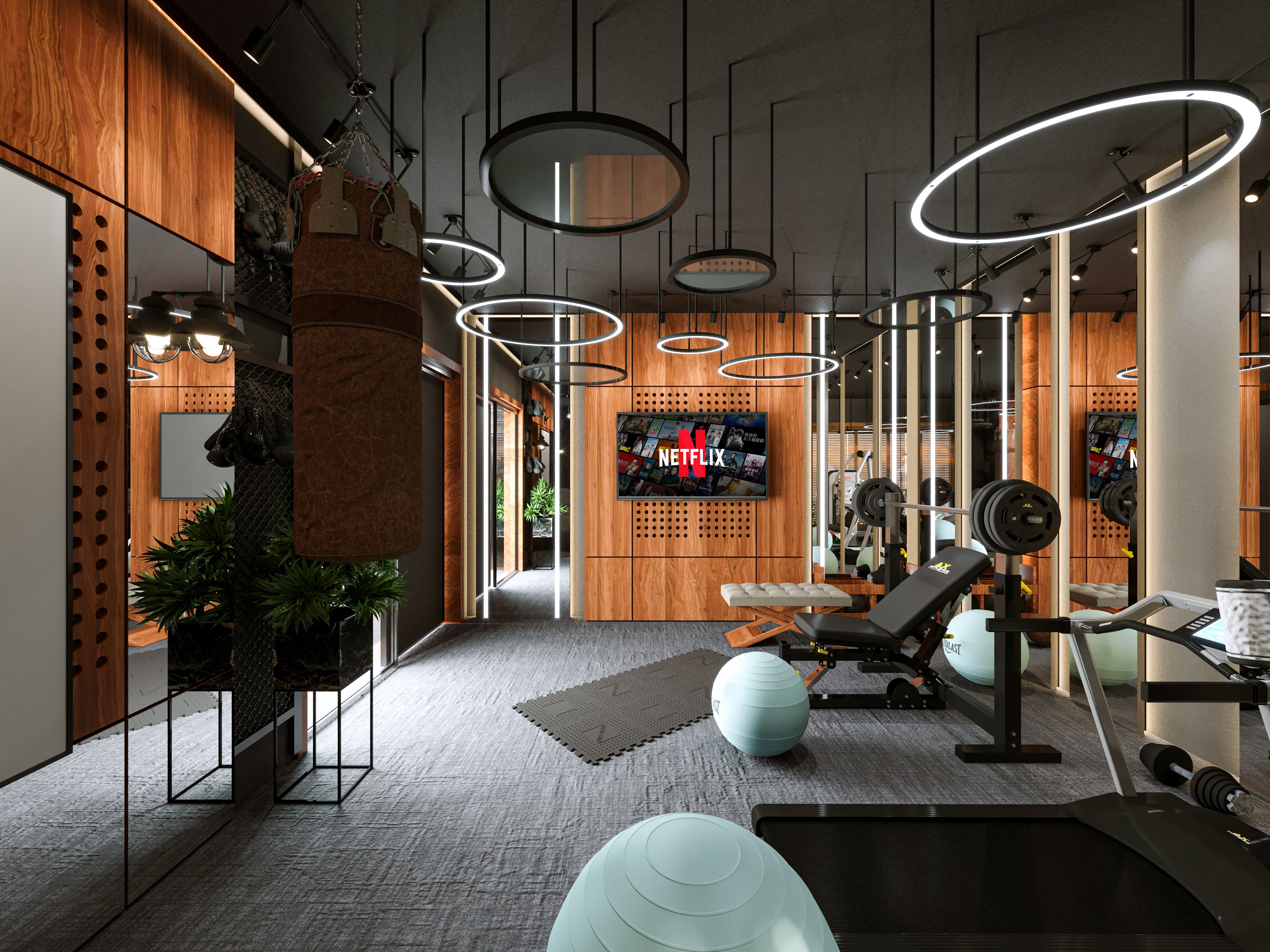
Turning an unused room into a vibrant workout space brings new energy to your home while supporting your fitness journey. A designated area for exercise keeps motivation...
Aug 05, 2026

Changing careers often sparks curiosity and a sense of anticipation, especially when it comes to salary discussions. After developing valuable experience in one sector,...
Jul 15, 2026