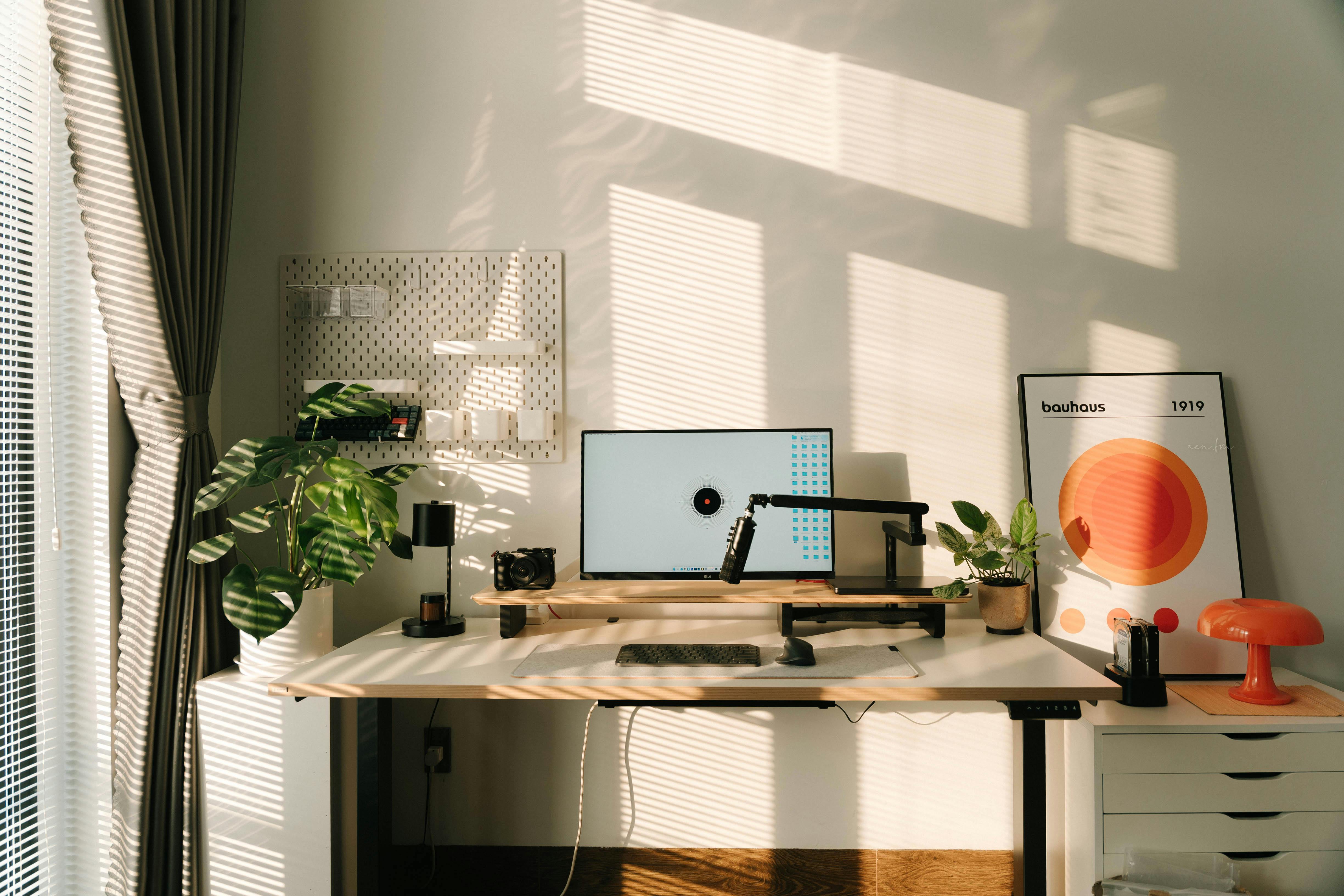
The Best Ways to Personalize a Home Office for Focus and Comfort
Mar 07, 2026



Freshening up your living space can bring a whole new atmosphere without the need for costly renovations or professional help. Start by rearranging furniture or displaying cherished possessions in new ways to create a different vibe. Opt for eco-friendly alternatives when replacing everyday items, and consider upcycling or repurposing pieces you already have. Simple touches, like adding plants or changing out textiles, can make a noticeable difference. By making thoughtful choices and using what is on hand, you can revitalize your home in a way that feels both personal and environmentally responsible.
Follow these steps to make smart tweaks: evaluate what’s already in place, remove clutter, add personal touches, improve efficiency, shop responsibly, and embrace hands-on projects. Find practical ideas you can customize to match your style and budget—no major renovations needed.
After gathering this information, prioritize changes based on their impact and effort. Improving natural light or replacing a single bulb can feel just as rewarding as rearranging furniture. These small successes build momentum and motivate you to make bigger adjustments. Keep your list visible so you can track your progress and celebrate each tip you complete.
Knowing exactly what needs attention helps you avoid impulse purchases. You will invest in changes that truly improve your daily comfort, whether that’s creating a brighter reading nook, enhancing airflow, or repurposing an old side table as a planter stand.
Getting rid of clutter allows your home to breathe and reduces mental overload. As you remove items, revisit your assessment list to see if that corner can become a mini reading spot or workstation. Pair a donated lamp with upcycled storage bins to create a functional workspace.
Upcycling keeps items out of landfills and gives you the satisfaction of a DIY makeover. Simple tweaks like stenciling patterns on drawers or turning old picture frames into jewelry holders spark creativity without costing much.
Adding greenery and natural materials softens the sharp lines in modern rooms. Start with one corner: place a tall plant beside a seating area or display succulents on a windowsill. As you add more plants and materials, you will notice a calm, balanced atmosphere that encourages you to unwind.
Choose pieces sourced locally or reclaimed from secondhand shops. Supporting small businesses and reducing transportation emissions benefits the environment. Pair a woven basket from a flea market with textural pillows to create a cozy reading nook that feels connected to nature.
Replacing outdated bulbs and fixtures can lower electricity bills and reduce your carbon footprint. Switch incandescent bulbs with LED options—they last up to 25 times longer and use up to 80% less energy. Look for bulbs labeled ENERGY STAR or *Philips* LED series for reliable performance.
Next, install water-saving aerators on faucets and showerheads. These small changes can cut water use by nearly 30% without sacrificing pressure. If you rent, choose removable aerators you can take with you when you move. A low-flow toilet seat or dual flush mechanism also offers savings in bathrooms where plumbing updates are not allowed.
When shopping, pause before checking out and ask yourself, “Do I really need this? Will it last?” Avoid impulse buys to keep your home clutter-free and to extend each item’s lifespan. Bring your own bags and containers to reduce packaging waste when you visit local markets.
Mixing secondhand finds with durable new purchases creates a layered aesthetic. This approach emphasizes mindful consumption and respects your budget and the environment.
You don’t need advanced carpentry skills for these projects. A basic toolkit—screwdriver, paintbrush, measuring tape—works well. YouTube tutorials or community workshops can guide you step-by-step if you need extra help.
Finish your updates with small details, like adding peel-and-stick wallpaper inside a cabinet or sewing your own pillow covers. These give you full control over patterns and colors. Each small project gives you a sense of accomplishment and makes your space reflect your style.
Follow these seven steps to make your home more comfortable and eco-friendly. Small changes can reflect your personality and promote sustainable living where you are.
Carefully chosen details throughout your home can encourage focus and calm. Thoughtful adjustments, such as decluttering surfaces or arranging furniture for better flow,...
Apr 03, 2026

Every day with a child who possesses remarkable talents brings a unique blend of excitement, wonder, and moments that test your patience. By observing how they approach...
Jun 02, 2026

Life often pulls us in many directions, making it challenging to find time for ourselves. Simple, purposeful rituals sprinkled throughout the day can add a sense of...
Mar 11, 2026

Finding a new hobby brings a sense of adventure to everyday routines and adds a refreshing spark to your life. Exploring activities that capture your curiosity and push...
May 12, 2026

Returning to your work routine after time away often brings a mix of anticipation and uncertainty. You might look forward to starting fresh projects, while also...
Feb 28, 2026

Building and nurturing friendships from a distance requires intentional action, yet the benefits make every effort worthwhile. This guide highlights eight down-to-earth...
Mar 04, 2026

Finding meals that work with allergies often seems overwhelming, especially when recipes include ingredients you need to avoid. Many people spend extra time flipping...
Jun 21, 2026

Many people find changing careers both exciting and challenging, yet your past experience gives you a strong foundation. This guide shows you how to use your existing...
Mar 27, 2026

Opening your home to a child through adoption or foster care brings a sense of excitement, anticipation, and plenty of questions. You may find yourself thinking about...
Apr 18, 2026

Nurturing a child with remarkable talents through periods of change calls for understanding and adaptability. Gifted children frequently face significant transitions,...
Mar 13, 2026

Seeing kids gather their belongings and prepare to leave home often brings both pride and a sense of emptiness. You have supported their journey every step of the way,...
May 23, 2026

Balancing career growth with retirement planning often feels like handling two important priorities at once. As you dedicate yourself to learning new skills, growing...
Jun 06, 2026

Families often experience moments of change, such as when an older sibling leaves for college, a parent starts a new job, or a new member joins the household. Children...
Apr 22, 2026

Finding real satisfaction at work goes beyond aiming for higher salaries or new job titles. People often discover greater fulfillment by taking time to reflect on their...
May 02, 2026