How to Organize a Productive Home Office That Sparks Creativity
May 09, 2026



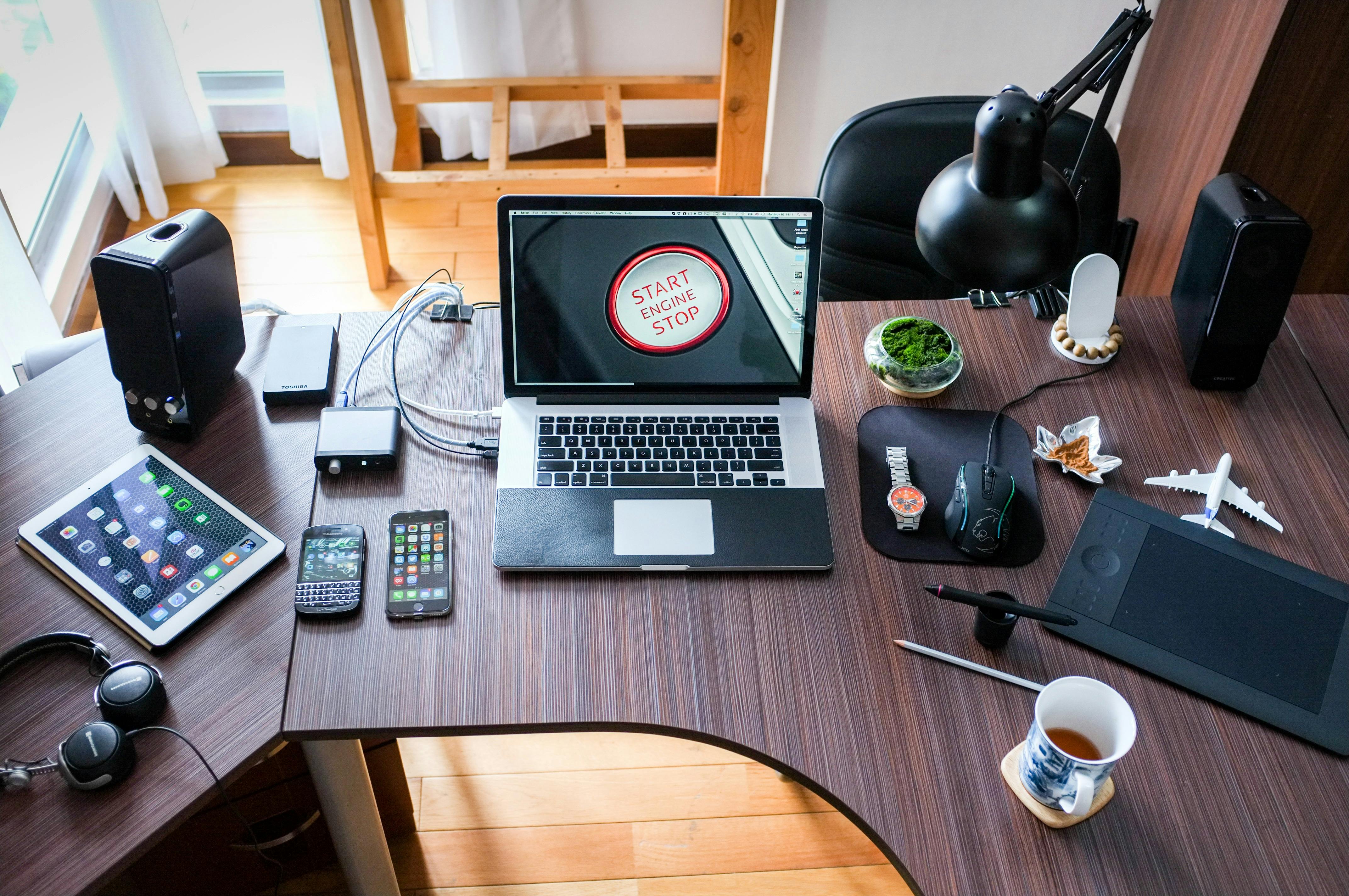
Thoughtful design choices create workspaces that support concentration and encourage a sense of well-being. Small adjustments in layout, color schemes, and materials can influence how people feel and perform throughout the day. Whether setting up a modern boardroom or organizing a quiet spot at home, these subtle changes help boost creativity while reducing tiredness. Blending elements that support both productivity and comfort encourages people to connect, stay engaged, and accomplish their goals with greater enthusiasm. Through careful planning and attention to detail, you can shape an environment where people feel motivated and ready to do their best work every day.
Draw on insights from architecture, psychology, and real-life case studies to outline practical methods you can apply immediately. From arranging seating to choosing lighting solutions, every detail plays a role in sustaining energy levels and promoting collaboration. Let’s dive into the building blocks of spaces that energize.
At the heart of any high-functioning environment lie fundamental principles that shape how people work and interact. Getting these foundations right clears the way for new ideas and smooth workflows.
By integrating these elements, teams can move seamlessly between brainstorming sessions and deep-focus tasks without interrupting flow. Applying zoning strategies in open layouts also prevents noise and distractions from derailing progress.
Wellness and productivity go hand in hand when you introduce features that support physical and mental health. You do not need elaborate solutions—practical choices often deliver the biggest benefits.
Implementing these wellness features invites more smiles and fewer sighs. Small pockets of calm give everyone permission to pause, recharge, and return to tasks invigorated.
Boardrooms set the tone for high-stakes conversations. A well-designed meeting room balances authority with comfort, allowing participants to concentrate without feeling confined.
Start by choosing a table shape that matches your group size and meeting style. Rectangular tables work for hierarchical sessions, while circular or oval shapes encourage open dialogue. If you expect hybrid attendees, include built-in cable management and designated camera spots to ensure remote participants feel present. Wall surfaces coated with matte paint prevent glare and help screen projections stand out.
Comfortable seating remains essential. Select chairs with lumbar support and breathable upholstery. Add a few wheeled stools for quick brainstorming breaks around whiteboards or pin-up walls. Positioning glass boards alongside pin walls offers dual formats for sketching ideas or sticking up notes, keeping energy levels high throughout lengthy discussions.
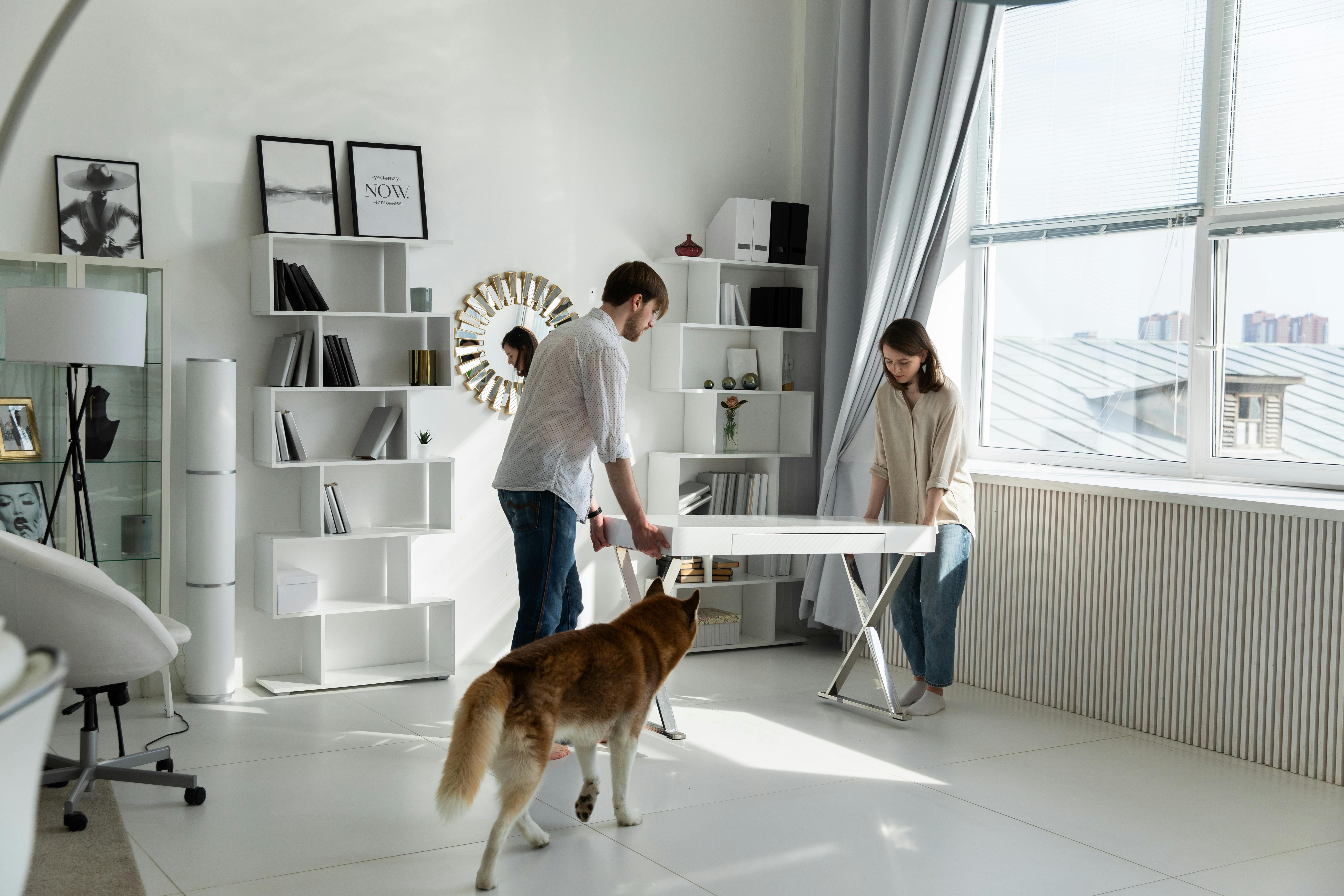
At home, blending leisure spaces with work areas requires thoughtful transitions. You want a space that feels cozy yet wired for productivity. Consider modular furniture that adapts from casual seating to a desk setup in seconds. Slip a console table behind a sofa to instantly create a standing desk station for morning emails.
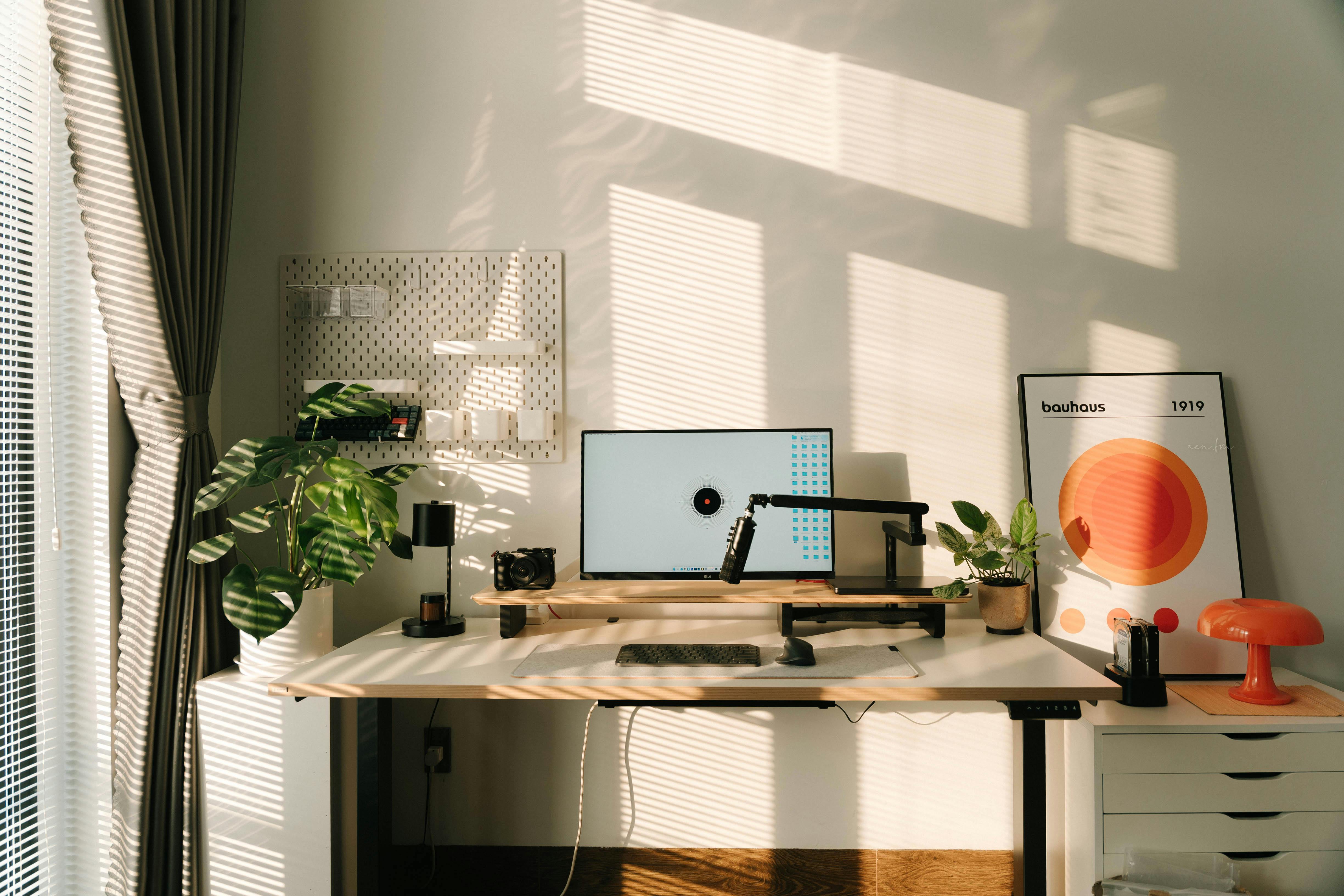
Lighting is critical in home environments. Task lamps with adjustable color temperatures let you shift from mellow reading light to bright task lighting at will. Integrate smart bulbs controlled by mobile apps so you can alter brightness without hunting for switches, setting the right mood for every activity.
This combination of versatility and comfort makes it easier to switch off work mode when the day ends. You will feel more at ease wrapping up tasks and transitioning into relaxation.
Selecting environmentally friendly options benefits both wellness and the planet. Bamboo or reclaimed wood surfaces resist bacteria and deliver a natural look. Recycled glass countertops add texture and reflect light, boosting brightness in smaller rooms. Choose low-VOC paints to keep fumes at bay and maintain clean air.
Beyond choosing materials, establish maintenance routines that extend lifespan and protect your investment. Microfiber cleaning cloths and pH-neutral cleaners work wonders on most surfaces without causing wear. Treat wooden elements with non-toxic oils periodically to prevent cracks and maintain sheen. Encourage a daily five-minute tidy-up ritual for teams: a quick desktop wipe-down and chair alignment keep the space welcoming each morning.
Incorporate productivity and wellness into any space by adjusting sightlines, lighting, materials, and comfort. Make small changes, observe their effects, and refine to create environments that are both lively and peaceful.

Finding balance in a world filled with constant notifications and screen time can feel challenging. By making small adjustments to your daily routine, you can create...
May 07, 2026

Every day with a child who possesses remarkable talents brings a unique blend of excitement, wonder, and moments that test your patience. By observing how they approach...
Jun 02, 2026

Life often pulls us in many directions, making it challenging to find time for ourselves. Simple, purposeful rituals sprinkled throughout the day can add a sense of...
Mar 11, 2026
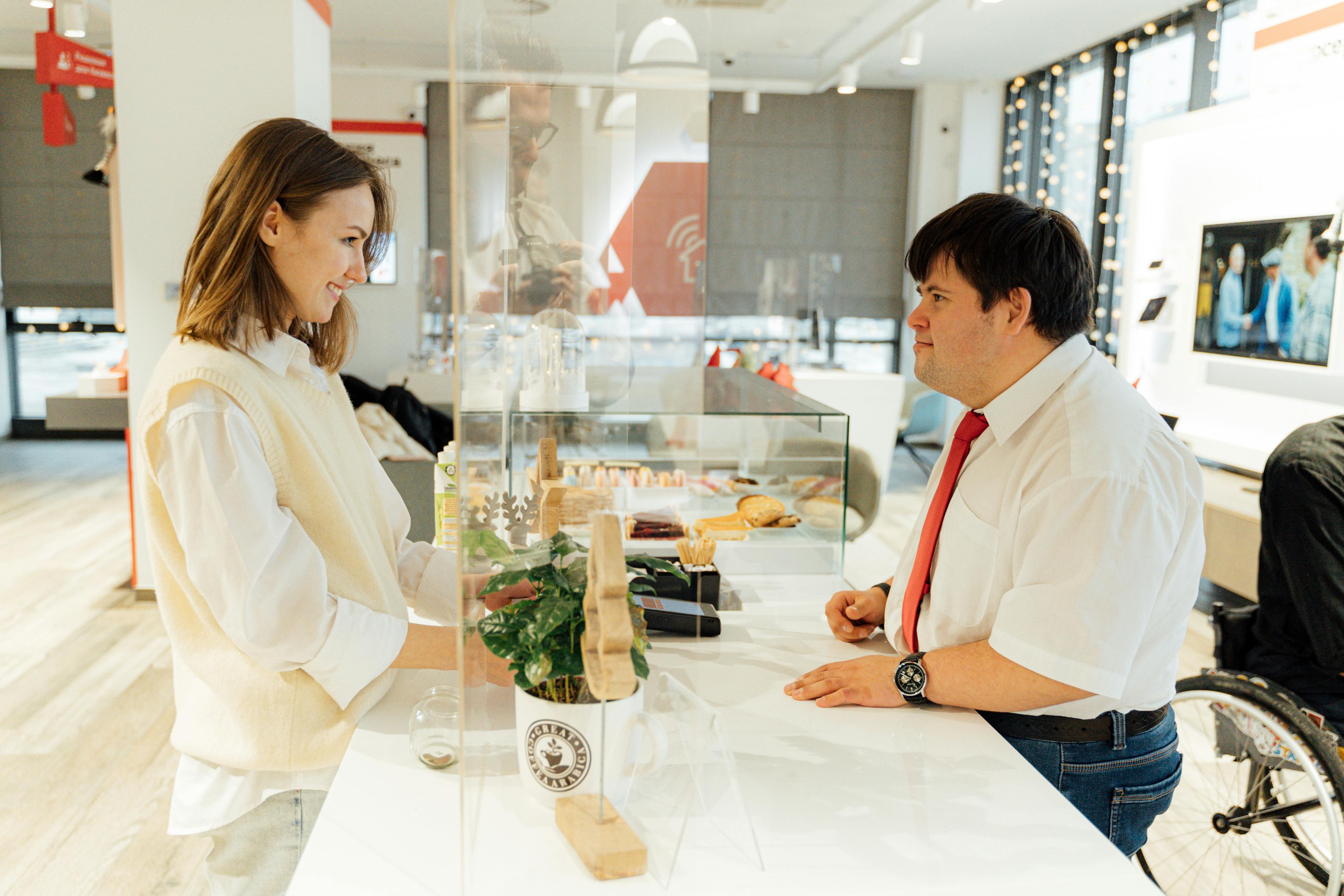
Creating a respectful and welcoming workplace starts by understanding what diversity and inclusion truly mean. Diversity describes the variety of backgrounds,...
Mar 31, 2026

Families that blend together often face unique challenges during the holidays, as each person arrives with their own set of traditions and hopes for how celebrations...
Feb 14, 2026

Finding a new hobby brings a sense of adventure to everyday routines and adds a refreshing spark to your life. Exploring activities that capture your curiosity and push...
May 12, 2026

Returning to your work routine after time away often brings a mix of anticipation and uncertainty. You might look forward to starting fresh projects, while also...
Feb 28, 2026
Years of career experience have equipped you with valuable skills and knowledge that can become the foundation for a successful freelance journey. Taking this step...
Jun 10, 2026

Building a memorable presence in a competitive landscape calls for more than professional knowledge. Developing a unique identity helps connect with future partners,...
Feb 21, 2026
Making the move from a non-technical background into a technology role often feels daunting at first, yet you can approach this journey with confidence by setting...
Apr 29, 2026

Balancing career growth with retirement planning often feels like handling two important priorities at once. As you dedicate yourself to learning new skills, growing...
Jun 06, 2026

Nurturing a child with remarkable talents through periods of change calls for understanding and adaptability. Gifted children frequently face significant transitions,...
Mar 13, 2026

Traveling alone allows you to discover unfamiliar destinations, spark fresh ideas, and challenge your usual routines. Whether you find yourself experiencing lively city...
Apr 07, 2026

Seeing kids gather their belongings and prepare to leave home often brings both pride and a sense of emptiness. You have supported their journey every step of the way,...
May 23, 2026