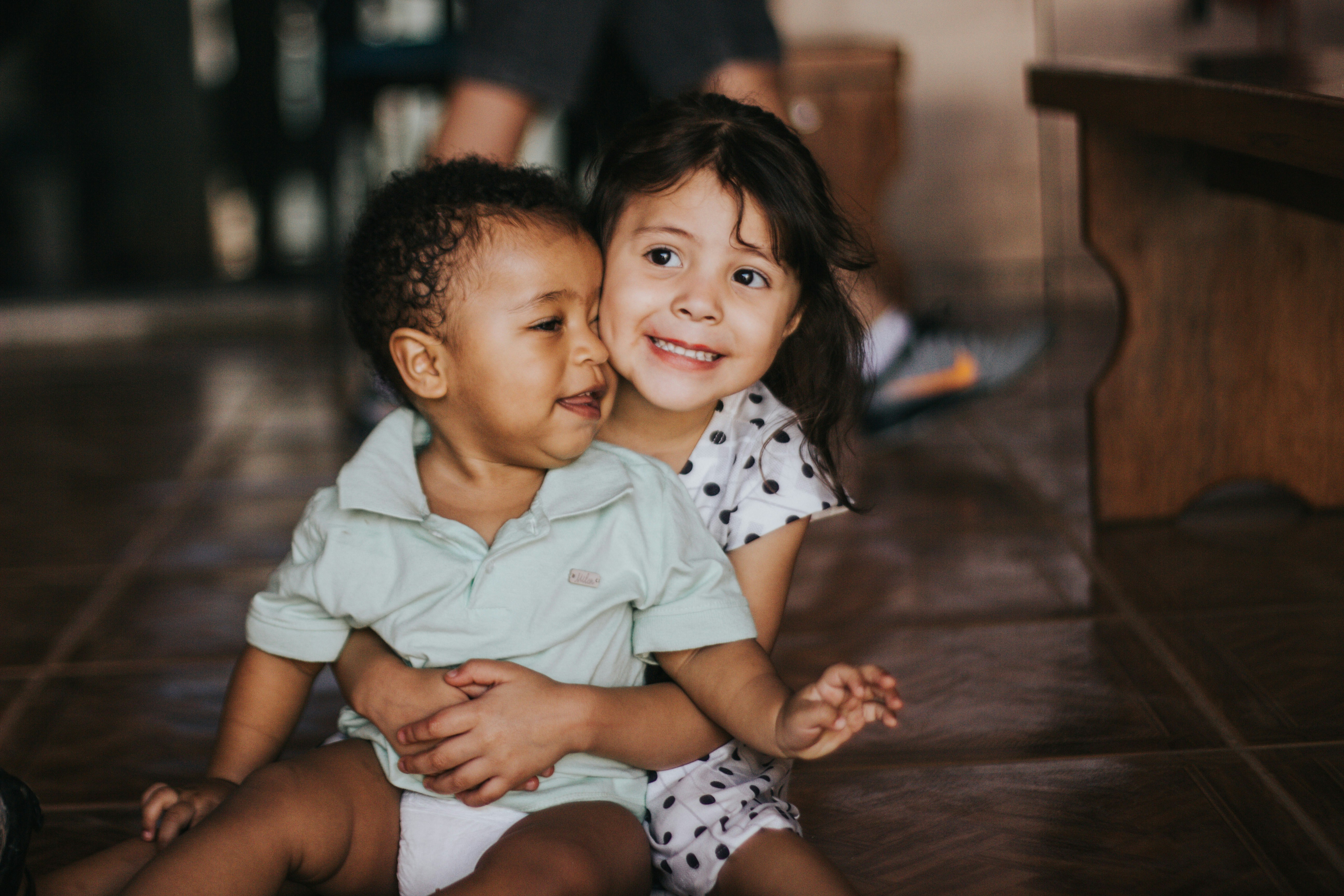
Top Ways to Foster Healthy Sibling Bonds in Multicultural Households
Jul 01, 2026



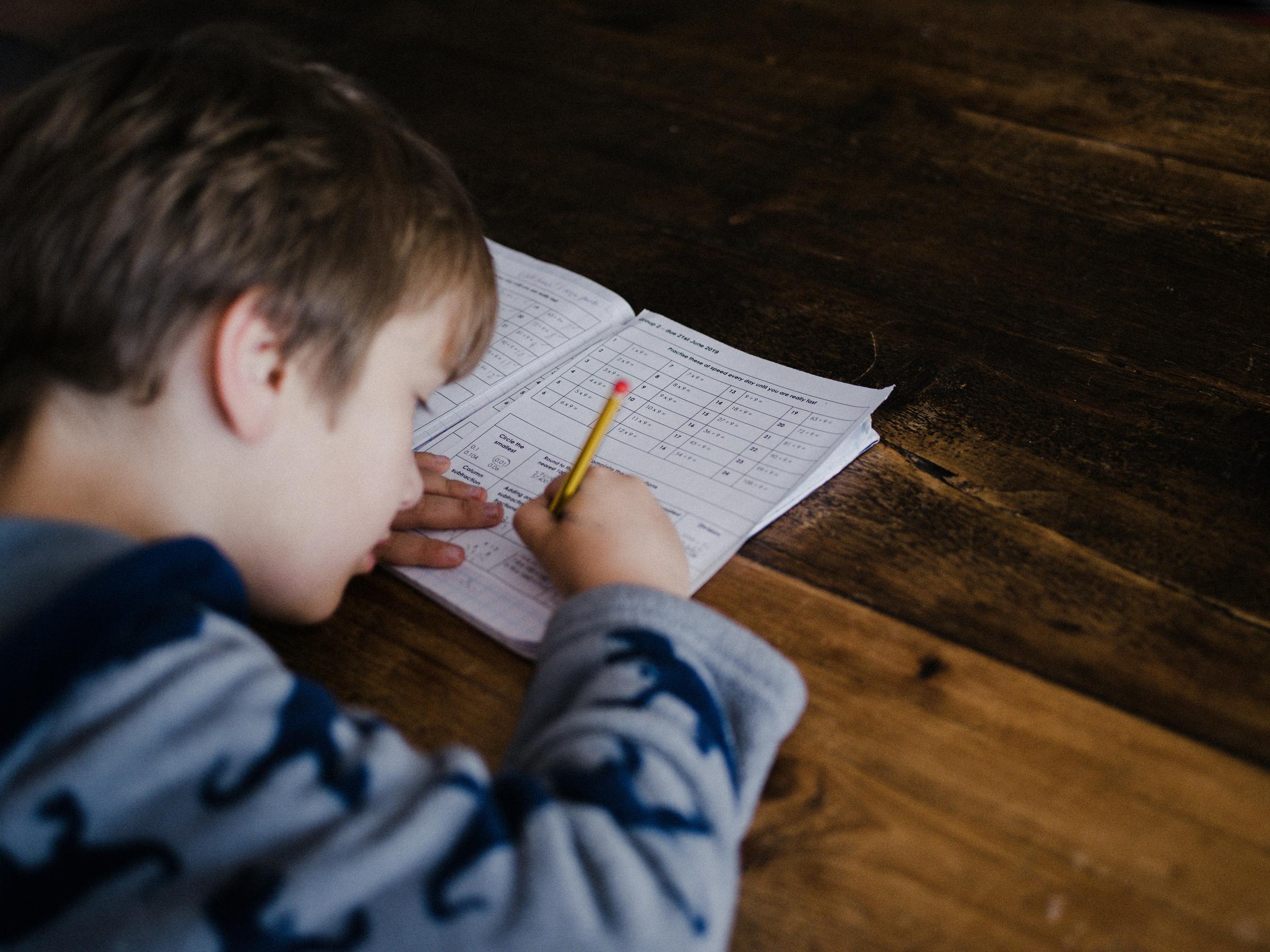
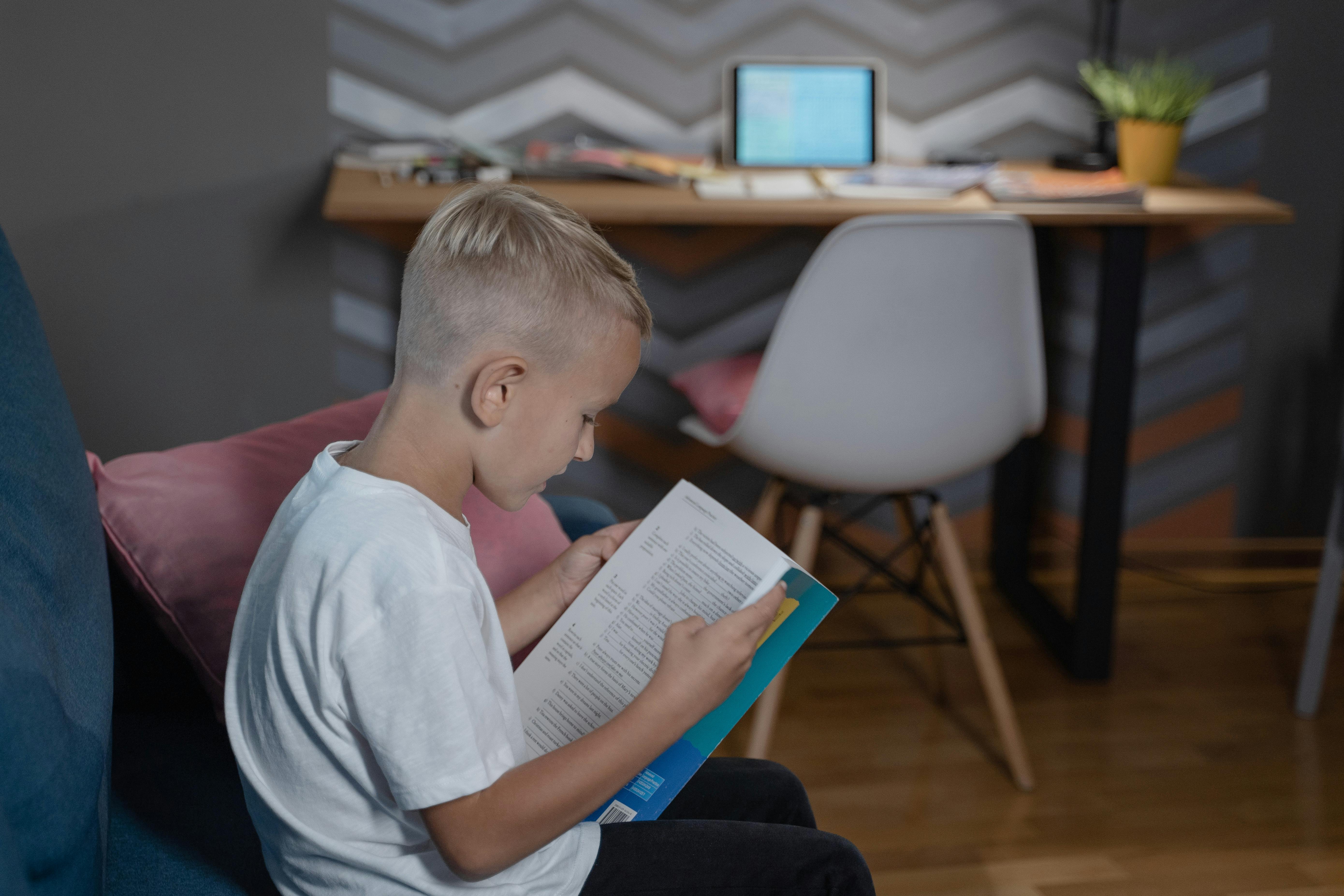
Children often follow unique paths as they discover new ideas and skills, and celebrating these differences enriches their learning experience. One child might dive eagerly into science experiments, while a sibling loses themselves in the pages of a favorite book. Balancing these preferences calls for creative solutions and a thoughtful approach at home. When you offer encouragement and simple, flexible activities, you help each child find joy in their chosen style. By doing so, you create a warm environment where differences are not only accepted but appreciated, making each child feel respected and supported as they grow together.
As you explore creative solutions, remember that small shifts in routine and space can spark big changes in how siblings relate to each other and to the process of learning. These five ideas focus on individual strengths while inviting everyone to collaborate and celebrate progress together.
Recognizing each child’s unique way of learning lays the foundation for personalized support. Observe how siblings approach new tasks, whether they grab materials first, ask questions, or sketch diagrams. Taking note of these tendencies gives clues to how each brain prefers to work.
After noticing preferences, describe them out loud in positive terms. Saying, “You’re great at visual puzzles,” or “You pick up stories quickly,” helps kids understand their own patterns and builds confidence in what makes them special.
Creating a schedule that respects different needs keeps everyone on track without limiting individual pace. Mix structured blocks with flexible breaks so each child can work at their own speed.
Focus on consistency instead of strict rules. A predictable pattern signals that work time is separate from play time, yet still allows energy levels and attention spans to influence the details.
Pairing siblings on joint projects encourages both teamwork and mutual respect. Seek tasks that combine various skills—designing a short film, building a birdhouse, or cooking a themed meal.
Define roles based on each child’s strengths. One might handle planning and research while the other manages hands-on work. They’ll see the power of unity and learn that different talents strengthen the whole team.
Switch roles regularly so each child practices new skills. Over time, they’ll pick up new techniques and appreciate the effort behind their sibling’s success too.
Encourage them to present their final projects together. A mini “launch party” at home celebrates how different gifts contribute to a richer outcome.
Helping children identify emotions and share frustrations builds a foundation of trust. When siblings feel safe admitting that a task feels hard, they gain confidence to ask for help without fearing judgment.
Hold family check-ins where each member mentions one challenge and one success from their learning time. Keep the tone upbeat and solutions-focused to foster respect and curiosity instead of competition.
Model listening skills by responding with, “Tell me more,” or “What helped you today?” These prompts show that you value each child’s experience and encourage deeper discussion.
Celebrate moments of understanding. If one sibling patiently explains a math problem to the other, acknowledge that kindness with genuine praise and share how it brightens the learning environment.
Create physical spaces that accommodate diverse ways of working to reduce tension and boost concentration. A reading nook, a clear surface for crafts, and a quiet corner for reflection help each child feel ownership of a learning zone.
Keep spaces tidy and tools easy to access. Label bins, place materials at kid-friendly heights, and rotate resources as interests change. An organized atmosphere encourages focus inward rather than outward.
Observing each child's learning style helps you create routines, projects, and spaces that support their growth. These adjustments enable siblings to appreciate their differences and connect more effectively.

Building a global career no longer requires moving to a different country. You can connect with professionals from around the world, gain insights into different...
Aug 22, 2026

Curiosity lays the foundation for trust, especially when you show genuine interest in what captures a teenager’s attention online. Taking a few moments to sit with them...
May 19, 2026

Planning getaways while juggling a demanding workweek takes organization and a bit of imagination. You can enjoy memorable travel adventures without letting office...
Sep 04, 2026

Getting involved in volunteer work close to home offers much more than the opportunity to assist others; it builds genuine friendships and strengthens your connection to...
Jun 28, 2026

Balancing several sources of income often feels challenging, but you can find a steady rhythm with the right approach. When you organize your tasks and set clear...
Jul 24, 2026

Building a portfolio that stands strong when changes arise begins with a clear understanding of the abilities you already possess. Take time to assess your current...
Aug 26, 2026

Discovering your unique place in science, technology, engineering, or mathematics starts when you understand your own abilities and ambitions. Perhaps you have managed a...
Jul 21, 2026

Families sometimes notice that conversations change when young adults leave home for college or settle into their own apartments. You may feel nostalgic for those...
Aug 12, 2026

Seeing kids gather their belongings and prepare to leave home often brings both pride and a sense of emptiness. You have supported their journey every step of the way,...
May 23, 2026

Changing careers often sparks curiosity and a sense of anticipation, especially when it comes to salary discussions. After developing valuable experience in one sector,...
Jul 15, 2026

Subtle interactions and unspoken dynamics often shape the atmosphere at work, leaving many people unsure how to respond. Whispers by the coffee machine or quiet shifts...
Aug 19, 2026

Families that come together from different households often experience both joy and adjustments, particularly when it comes to organizing childcare. Balancing schedules...
Jul 05, 2026
Years of career experience have equipped you with valuable skills and knowledge that can become the foundation for a successful freelance journey. Taking this step...
Jun 10, 2026

Countless decisions can sap your energy as you move through your daily routine, from the moment you wake up until you go to sleep. Removing unnecessary clutter brings a...
Jul 29, 2026